24 min read
Best Vitamins for Women at Every Stage of Life

We, ladies, are a masterpiece of biology, but the best vitamins for women are so often marketed as just a support for our physical appearance, rather than bolstering the intricate hormonal symphonies that make up our lives from adolescence onwards. Men get taller, grow some hair, and their bodies start pumping testosterone, but we’re always mutating and changing, with crescendos and whispers through days, weeks, months, and life stages.
Sure we all want strong nails, lush hair, and glowing skin, but we also want healthy aging, robust bones, a robust gut microbiome, PMS relief, sharp brains, stable moods, and vital cells into the autumns of our lives. Women’s supplements cannot therefore focus solely on the immediate aesthetic pursuits, although we’re a very visual society. The best supplements for women and men alike look at the big picture and provide the building blocks and supporting roles for cellular regeneration, energy production, and building a body and mind you can be proud of, and that will allow you to live independently for as long as possible as old age comes for all of us, if we’re lucky.
We also have enough on our metaphorical plates as it is, while ironically trying to limit what's on our real plates to fit the current beauty standard (these change wildly; if you had a unibrow in Greece, you’d be the hottest girl in town, so stop judging yourself by standards you never agreed to and aim for healthy). A strong and competent body beats looking frail and starving any day. This is why the best multivitamin for women is not a cacophony of 20 added pills and supergreens powders, mushroom extracts, probiotics, postbiotics, pre- or post-workouts, you name it. Women’s supplements are truly theirs if they make life easier; they’re the all-in-ones that offer real, visible benefit and quiet the already overwhelming, overlapping chatter.

Still, a good all-in-one multi-mineral or multivitamin for women is few and far between. Not because they are all bad or poorly made (some are), but because they’re incomplete and will result in yet another branch budding on your to-do list as you try to cover the gaps. Women want a women’s supplement that is designed for the way women actually live. No asterisks, no hidden costs, no “it only works in combination with the other one”, “it does nothing unless you live only on chia pudding”, or “to only be taken while sacrificing a goat under full moon”.
So, what is the best women multivitamin? The one that has proven nutrients and, more importantly, the one you’ll actually take. And you’ll actually take and stick to something that doesn’t make you jump through hoops for a marginal improvement, just like with men. We’re looking for (proven) usefulness and something you can rely on.
We’re not feeding just the body, because you’re not just a body. And your eyes aren't corporate real estate to quibble about. This estate is yours and yours alone. You can, of course, play around with multiple multivitamin and multimineral preparations or take each one individually if you enjoy N=1 experimentation. More power to you. But if you’re done trying stuff out and want a simple one-scoop solution that takes care of all of your daily needs, we’re here to present just such a thing.
I’ll present the science-supported evidence for the FAQ ™ Pure, a contender for number one in the best supplements for women category, and hope to do it justice. Also, I don’t want you to take my word for it. Explore more, learn about individual ingredients (there are 85; I can’t go deep on all of them, but I will leave a link near the end that goes much deeper into the formula), and at the end of the day, you do you.
I’m in my minimalist phase (therefore evocations of Marie Kondo’s “if it brings you joy” above) and a sucker for simplicity and multifunctionality, but it’s totally cool if you’re at another place now. Grab yourself a snack and let’s go.
What Are the Best Vitamins for Women?
A slightly silly question, really, because we're all different. We lead different lives, have different diets and priorities, and are at different stages of life. It's a bit like asking, “What do women want?” I wouldn't presume to speak in another woman's name about what she wants or is supposed to want, and I wouldn't appreciate it if the situation were reversed.
Similarly, the question of the best vitamins for women must (for now) be answered with a generalization of what will help most women in most circumstances. Until fully personalized medicine, this is the best we’ve got - betting on a handful of compounds beneficial for (specifically) female bodies, from early adulthood to perimenopause and menopause.
Before puberty, boys and girls don’t differ that much. But as we grow up, the best daily vitamins for women will depend on a woman’s age, diet, lifestyle, general health, and individual nutritional needs that may stem from greater needs for some compounds, like in PCOS, pregnancy, perimenopause, or menopause.
There is no single supplement that every woman should take, and I wouldn't dare claim otherwise even about FAQ™ Pure Beauty-Tech Elixir. Its formula brings together a broad range of ingredients in one daily serving, but that doesn't mean it is a substitute for a balanced diet, personalized medical advice, or treatment for a diagnosed deficiency.
And more is not necessarily better. Some nutrients are stored, some are excreted, and some can become harmful when taken in excessive amounts. The goal isn't to swallow the largest possible dose of everything. It's to get the nutrients your body needs, in appropriate amounts, in a form you can use.
The most useful place to start when researching the best vitamins for women is understanding which nutrients support normal bodily functions and why. Here are some of the key vitamins and minerals worth knowing about.
Vitamin B12: Energy Metabolism and the Nervous System
Vitamin B12 helps maintain normal energy metabolism by helping cells use proteins and fats more effectively. In mitochondria, these are burned in the presence of oxygen to produce the energy of life, ATP, used for all bodily processes.
All cells have mitochondria except red blood cells, because we don’t want them to burn the oxygen they carry before it reaches its destination. The only other cells are the outer skin layer ready to slough off, the lens of the eye that needs to remain clear to see, and some single-celled organisms that call our body their home.
This doesn't mean that taking extra B12 automatically gives you more energy, despite what some supplement marketing might suggest. Rather, if you're deficient, correcting that deficiency can help address symptoms such as tiredness and weakness.
You need vitamin B12 for several important processes, including normal red blood cell formation, DNA synthesis, and nervous system function.
B12 supplementation is particularly important for people following vegan diets because natural B12 is found primarily in animal-derived foods. Some vegetarians may also struggle to get enough, depending on their diet.
If you're persistently tired, don't automatically assume you need a multivitamin. Vitamin B12 deficiency is one possible explanation, but fatigue has plenty of other causes. See your doc and let them determine whether testing or supplementation is appropriate.
Learn more about vitamin B12 from the NIH Office of Dietary Supplements.
Vitamin B6: Supporting Neurotransmitter Production
Vitamin B6 is crucial for female health because our fabulous bodies have much more codependent hormonal fluctuations on a daily and monthly basis than men's hormone profiles. No shade to the men here; they have their own battles with low testosterone and receding hairlines.
But for females, B6 acts as a coenzyme and is involved in more than 100 enzyme reactions, helping our body make neurotransmitters, specifically dopamine and serotonin, that make you feel motivated and content in life. The support for serotonin synthesis and GABA is linked to improvements in premenstrual depression, irritability, and anxiety.
This is one reason B6 has attracted interest in research into premenstrual symptoms. Some studies suggest that supplementation may help reduce symptoms such as irritability, anxiety, and low mood in some women. Still, the evidence is not conclusive, and it would be an exaggeration to describe it as a hormone-balancing solution or a treatment for hormonal conditions on its own.
As with all nutrients, more is not automatically better. Long-term excessive vitamin B6 intake can cause nerve damage, so it's worth checking the total amount you're getting from all supplements combined.
Explore the research on vitamin B6 and premenstrual symptoms.
Vitamin D: Bones, Muscles, and Immune Function
Vitamin D is officially called a vitamin, but it behaves more like a hormone. It helps regulate calcium and phosphate levels, supports bone mineralization, as well as normal muscle and immune function.
It is also involved in reproductive biology, and researchers continue to investigate its relationship with ovarian function and conditions such as PCOS. That doesn't mean vitamin D supplementation is a proven treatment for infertility or hormonal disorders, but it does make adequate vitamin D status an important part of general health.
Reproductive tissues have receptors for vitamin D, and nature doesn’t waste its time creating a thing that’s not crucial (except the clitoris; it is not crucial for reproduction, but was designed solely for our pleasure; nature told you that pleasure is your right). The vitamin D that sits in the receptors helps the egg develop to maturity and supports steroidogenesis (the formation of hormones), and menstrual cycle regulation.
Low vitamin D often threads through common female fertility issues, and getting it above the recommended 75 nmol/L could help restore regular ovulatory cycles, manage cravings, and help your body use blood sugar rather than packing it into fat. Plus, if you’re going to undergo any assisted reproduction method (ART) like IVF fertility treatment, a good doctor will urge you to get your vitamin D in order first.
Read more about vitamin D and women's reproductive health.
Calcium: Building and Maintaining Strong Bones
Calcium is essential for strong bones and teeth, but its responsibilities don't end there. It also supports muscle contraction, nerve transmission, blood clotting, and normal cardiovascular function.
Calcium intake before the age of 18 is crucial as it will lay 90% of the groundwork for adulthood and old age. Still, taking calcium with vitamin D later in life can help prevent bone loss and osteoporosis and lower fracture risk, which can skyrocket during this transition.
Perimenopause, menopause, and post-menopause are characterized by an estrogen decline, which lowers calcium absorption, so extra calcium is one of the best perimenopause supplements. Choosing the best multivitamin for women over 40 with adequate calcium can help prevent frailty as you age and protect your quality of life.
If you're pregnant or breastfeeding, you'll also need extra calcium to support infant bone development and fetal development in general.
In the hormonal realm, calcium deficiency is linked with more severe PMS symptoms, PCOS, and obesity. It also helps keep your blood vessels nice and elastic so they can dilate and contract, preventing dangerously high blood pressure or cardiovascular incidents.
Read more about calcium and bone health.
Iron: Oxygen Transport and Tiredness
Have they told you that you're imagining being unexplainably tired all the time? You’re not. It's biologically impossible not to be tired when you're low in iron. If you're still menstruating and have heavy flows, your fatigue may be linked to an iron deficiency.
Premenopausal women, losing about 1 mg of iron per day of heavy flow) are at a much higher risk of a deficiency than age-matched men and far more in need of iron supplementation. Much more!
For our pregnant sisters, fetal development will also guzzle up our iron, and you need extras to prevent preeclampsia or growth restriction. Hepcidin, produced by the liver, regulates iron in the blood but is influenced by female hormones, with estrogen typically downregulating it and progesterone upregulating.
When iron levels become too low, you may experience fatigue, weakness, reduced exercise tolerance, and difficulty concentrating. Keep in mind that iron deficiency is one of the common deficiencies in women of reproductive age. It can be called IDA (Iron Deficiency Anemia), low hemoglobin, or NAID (Non-Anemic Iron Deficiency), where you have normal hemoglobin but low serum ferritin or transferrin saturation; however, too much unnecessary iron supplementation can become a problem, so talk to your doctor.
Iron is also crucial for oxygen transport as a core component of hemoglobin in red blood cells and myoglobin in muscles. You actually can’t deliver oxygen to cells and tissues effectively with low iron. You're not tired or lazy; your cells are gasping for breath. Iron also supports DNA synthesis, snuffs out free radicals, and regulates the immune system. We need inflammation not too hot, not too cold, but just right, balancing being susceptible to pathogens and swaying into autoimmunity where the body attacks itself.
Learn more about iron and women's health.
Vitamin C: Collagen, Iron Absorption, and Antioxidant Protection
We all know that vitamin C is an excellent antioxidant, and so necessary to our bodies that sailors with no access to fresh fruit and vegetables on long journeys throughout history suffered painful scurvy deaths by the thousands as late as the beginning of the 20th century.
Vitamin C is required to make new collagen that's literally the glue keeping your body together, functioning and, ideally, feeling and looking youthful. Optimal collagen production is the scaffolding for healthy skin, bone, blood vessels, and connective tissues that will be able to withstand the demands of life. Vitamin C is crucial if you're on a plant-based diet because it enables absorption of non-heme iron from plant sources.
It also contributes to normal immune function. Even our grandma’s grandma knew to push mega-dose vitamin C when we're fighting off a flu or a cold and pushed lemon tea like she had a citrus cartel.
For women's health in particular, the antioxidant action of vitamin C seems to be beneficial to reproductive function. It's also required for collagen synthesis, making it important for normal skin, blood vessel, cartilage, bone, and connective tissue function. Some research is interesting, but it is too early to make strong claims that supplementation improves fertility or prevents ovarian aging.
Vitamin C also carries some promise for women with endometriosis, suggesting reduced volume and growth of endometrial implants, as well as high doses intravenously helping with supportive care and quality of life while treating specific female cancers, but for now these are not considered its primary functions.
Read more about vitamin C from the NIH.
Magnesium: Muscles, Nerves, and Metabolic Health
It participates in hundreds of enzymatic reactions, supporting goals as varied as bone health, energy production, and muscle function, and it plays a key role in hormone regulation. It can reduce PMS symptoms by regulating the nervous system and lower the intensity of menstrual cramps through muscle relaxation.

Together with calcium and vitamin D, magnesium supports healthy bone density, keeping osteopenia and osteoporosis at bay. It also plays a role in fetal development while keeping blood pressure stable and protecting from preeclampsia and preterm labor. As we lose estrogen, magnesium becomes one of the vital minerals for menopause, protecting cardiovascular tissues and bones.
It is also one of the minerals that can help lower the risk of dangerous and very frequent modern illnesses, such as type 2 diabetes and metabolic syndrome, which stand at the eye of most chronic modern illnesses storm.
Explore research on magnesium and menstrual symptoms.
What to Look For in the Best Supplements?
With supplement formulations competing for your attention left, right, and center, finding the best supplements for women can feel surprisingly complicated.
Supplementing should be a simple, straightforward thing you can do in five seconds. It shouldn't become a full-time job involving deciphering ingredient lists and performing nutritional tightrope acts.
So, here's a practical checklist to consider before handing over your money. Remember, that money represents time out of your life.
1. Relevant nutrients
Does the formula contain vitamins and minerals that have well-established roles in women's health? Consider nutrients such as vitamin D, B12, calcium, iron, magnesium, and vitamin C, but remember not everyone needs every one.
2. Transparent dosages
A reputable supplement should clearly list the amount of each ingredient. Vague proprietary blends can make it difficult to understand what you're actually getting.
Are the quantities stated? Are they appropriate? Do they make sense in relation to recommended daily intakes and the rest of your diet?
For perspective, toothbrushes clean teeth, but not if they have only three bristles.
3. Quality and testing
Does the manufacturer provide information about its production standards? Is the product tested for purity and contaminants? Is testing performed on individual batches, and can the company provide documentation?
Third-party testing and certification can offer additional reassurance, although it's important to understand exactly what each certification covers.
4. Dietary suitability
Does the product match your dietary preferences, allergies, and intolerances? Check for ingredients such as gluten, dairy, peanuts, shellfish, and anything else relevant to your circumstances.
5. Everyday practicality
Does the supplement simplify your routine or complicate it?
If it takes ten minutes and eight steps, why would you add it to your mornings or evenings? Is it easy to travel with? Does it fit into your existing routine? And can you buy a smaller pack to try before committing to a larger one?
6. Sensible claims
Be wary of products promising to balance every hormone, reverse aging, cure fatigue, detox your body, or solve several unrelated health problems at once.
A supplement can provide nutrients that support normal bodily functions. That is already useful. It doesn't need to promise to perform miracles.
IMPORTANT NOTE about gut health and nutrient absorption
You can eat beautifully, buy the most expensive supplements, and still have problems if an underlying health condition affects nutrient absorption.
Persistent bloating, diarrhea, constipation, or other stubborn digestive symptoms deserve attention, especially if they're accompanied by unexplained weight loss, fatigue, or nutritional deficiencies. If this is your situation, don't buy any new supplements until you find the root cause of your GI issues.
Read more about gut health and nutritional deficiencies and their symptoms.
What Is FAQ ™ Pure?
If you've ever wondered what the best multivitamin for women might look like, I'd start with a practical question: what do you want your daily supplement to support?
Is your priority filling nutritional gaps because your diet isn't always ideal? Maintaining bone health as perimenopause approaches? Supporting normal energy metabolism during a demanding period of life? Or simply making your routine easier?
Do you have heavy periods? Follow a restrictive diet? Have you had your vitamin and mineral levels checked? Are you addressing a diagnosed deficiency, or are you looking for a convenient way to increase your intake of a range of nutrients?
These are all worth considering. The best supplement is not necessarily the one with the longest ingredient list. It's the one that makes sense for your needs, contains appropriate amounts, and fits into your life.
This is where FAQ™ Pure Beauty-Tech Elixir comes in.
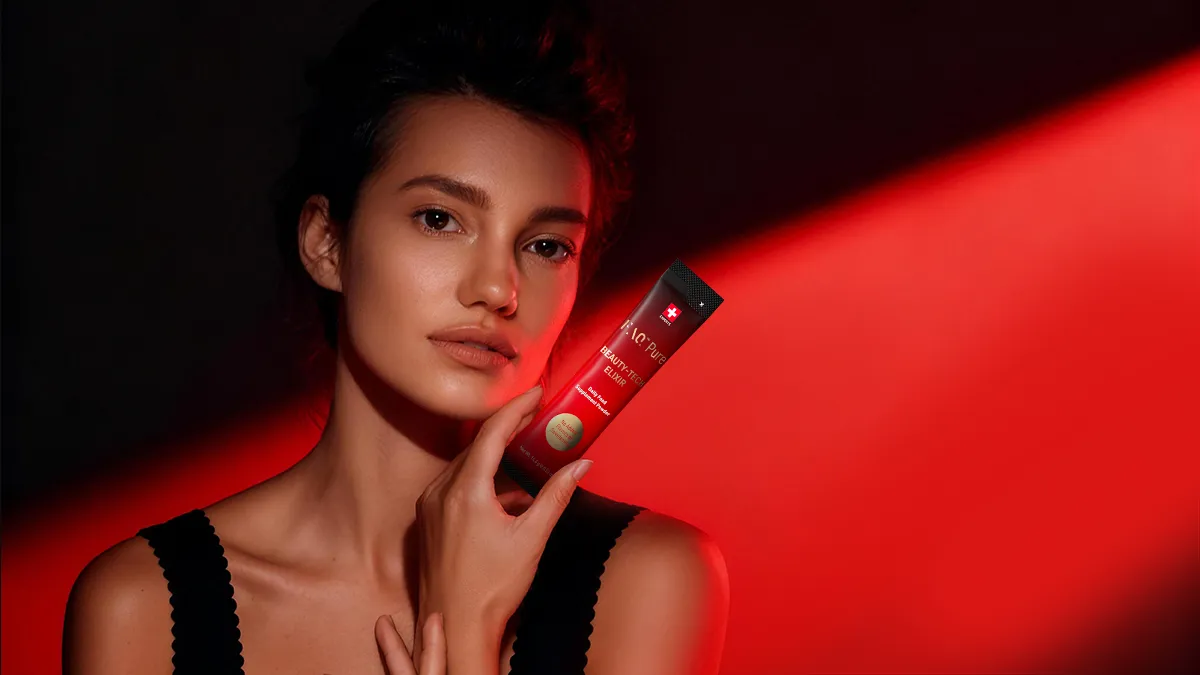
FAQ™ Pure combines 85 ingredients in one formula, including vitamins, minerals, antioxidants, prebiotics, probiotics, botanicals, adaptogens, and enzymes. Its formulation also features NAD+, CoQ10, quercetin, creatine, and proprietary ingredients Qfer™ and QvitK2™.
The idea is to bring a broad range of ingredients together in one daily serving rather than asking you to juggle a cupboard full of separate products.
The word synergy gets thrown around rather generously these days. Sometimes it seems that putting two ingredients next to each other is enough to earn the word. But genuine interactions between nutrients and other compounds do exist, and the way ingredients are formulated can affect their absorption and use by the body.
That said, a longer ingredient list doesn't automatically mean a better supplement. The amount, form, quality, and evidence behind each ingredient matter. It's always worth looking at the full formula rather than relying on a headline number.
FAQ™ Pure was five years in development, with the aim of bringing together 85 ingredients in a convenient daily formula. Whether it is the right choice for you depends on your diet, nutritional needs, health circumstances, and preferences. That's the thing. No one can tell you what is right for you. But good brands create a broad-appeal product that benefits most people, ideally with every compound in place and serving a clear function (hence the 5 years behind the scenes of Pure; creating a product is not that hard; creating a good one is).
How Do You Take FAQ™ Pure?
The routine is refreshingly simple. According to the product instructions, you mix one sachet, or 1.5 scoops, with at least 250 ml of cold water, juice, milk, or plant milk. Avoid hot liquids, as heat may affect some of the more sensitive ingredients.
That's it. One glass, ideally in the morning, and you're done for the day. This is a detail I appreciate. As a woman who's reached the point where I don't want to negotiate with my morning routine, I can get behind something that doesn't require acquiring a new personality, a new kitchen appliance, or setting up a spreadsheet.
I remember my twenties. You could wake up on your best friend's futon at 11 PM on a Sunday, having forgotten when you'd gone to sleep, down an espresso, and somehow be perfectly fine for the rest of the day. Now I need an ergonomic pillow, earplugs, perfect temperature, a strict bedtime, and a morning routine. That raggedy old futon would send me straight to the chiropractor.
I'm not particularly interested in accommodating too many new rituals (or people, for that matter). I drink water in the morning anyway, so a supplement that fits into a habit I already have is a practical advantage.
What do Users Say about FAQ ™ Pure?
But, as we all know, talk is cheap, and we want proof, rather than speculation about or manipulation of reality. We want to know what real people say after trying the product, not just hearsay, but reports with scientific rigor so we can see clearly.

FAQ™ Pure has been evaluated in a third-party-conducted, three-month study involving 47 participants aged 25–55, who took the product once daily.
The results shared from the study are based on participant feedback and self-reported experiences. Here's what participants reported over the three-month period.
1 WEEK
Some participants reported noticing changes in how they felt before seeing any visible differences in their skin or hair. Feedback included perceptions of improved digestion, feeling less hungry between meals, and falling asleep more easily.
- 89% felt less hungry between meals
- 85% noticed better digestion
- 81% fell asleep more easily
2 WEEKS
Deeper sleep, fewer wake-ups, and faster recovery after exercise. The body feels less inflamed (that sluggish but always-sort-of-alert, exhausting feeling) and more ready for whatever the week brings.
- 94% slept more deeply & woke up less
- 94% recovered faster after exercise
- 89% felt less inflamed overall
1 MONTH
Mornings start rested, and your energy stays steady across your cycle, so you know who you’ll meet in the mirror the next morning. PMS homicidal vibe takes up less of your month.
- 97% of women had steadier energy across their cycle
- 96% woke up feeling more rested
- 88% of women felt less affected by PMS
2 MONTHS
This is usually the breaking point when obvious physical changes happen, like clearer skin and faster-growing nails, as the mood starts balancing out long-term.
- 93% said their nails grow faster
- 91% got fewer breakouts
- 91% of women had fewer cycle-related mood swings
3 MONTHS
By three months, every participant in the study slept better. Hair looked healthier and shinier, and memory felt sharper. Demonstrating ongoing improvement, the study stopped here, but you don’t have to.
- 100% said their sleep quality has improved
- 98% said their hair looks healthier & shinier
- 98% said their memory feels sharper
Other Nutrients and Everyday Health Concerns
If you’ve been dismissed as something just being “a part of your age”, no, it is not your age, and definitely not in your head.
If it were only age and there was this rule that the body has to fall apart after a certain number, then every 70-year-old grandma would be a frail shadow of her former self. And they are not. Vital, happy, strong, and stable grandmas live well into their nineties, and centenarians walk around with pep and do their own chores.
It is not only age. Aging is unavoidable, but frailty and loss of function are not. Here are 6 FAQ ™ Pure claims tied to scientifically proven ingredient benefits on common health concerns for women.
Exhaustion: “I Wake Up Tired”
Vitamin B12, 200 mcg.
It contributes to normal energy metabolism and normal nervous system function. Iron (Qfer™) supports normal oxygen transport and may help reduce tiredness and fatigue.
Other nutrients in the formula to offer supporting roles include magnesium, folate, and vitamin C.
Bloating: “My Pants Fit in the Morning. By Dinner, They Don't.”
Calcium, 420 mg.
The food isn't the problem. Breaking it down is. Digestive discomfort can have many causes, from food intolerances and trouble digesting to constipation and gut conditions. FAQ™ Pure includes calcium, which contributes to the normal function of digestive enzymes.
But bloating is not automatically a sign that you need digestive enzymes or a greens powder. If symptoms are really severe, painful, or accompanied by other concerning changes, discuss them with a healthcare professional.
Calcium is supported by: Chloride, 10 Digestive Enzymes, Prebiotic Fiber
Dull Skin: “Good Lighting Used to Be Optional.”
Vitamin C, 420 mg.
Skin collagen falls about 1% a year from your mid-twenties, and vitamin C is necessary to synthesize more; 420 mg is about six oranges' worth.
Skin appearance depends on much more than supplementation, including genetics, sun exposure, sleep, hormones, skincare, and overall health, but a good nutritional foundation can help support normal skin function; let's not overpromise. No amount of vitamin C will take 20 years off your face.
Vitamin C supported by: Biotin, Niacin, Zinc

Thinning Hair: “You're Starting to See More Scalp Through Your Hairline.”
Biotin, 330 mcg.
What's in the brush today stopped growing months ago. Biotin helps maintain hair in the growth phase for longer.
Hair thinning can also be associated with iron deficiency, thyroid conditions, hormonal changes, genetics, stress, and other medical factors. If it's new or progressing, it's worth investigating rather than assuming that biotin is the answer.
Biotin supported by: Zinc, Selenium
Brain Fog: “I Walk Into a Room and Forget Why I'm There.”
Zinc, 14 mg.
Your brain didn't go anywhere. It may just lack the crucial minerals it needs to do its job properly. Plus, don’t worry, we all lose our keys; it’s a part of being a human who owns things that need keys. Would be hard to lose the keys to a cave.
Zinc supports normal cognitive function for normal brain and nervous system processes, but persistent or significant cognitive changes should not be dismissed as a nutritional issue or automatically attributed to aging.
Supported by: Iron (Qfer™), Pantothenic acid
Stiff Joints: “My Knees Click Every Time I Take the Stairs.”
Vitamin D3, 15.1 mcg.
Vitamin D is the one nutrient your skin is meant to make from sunlight, and north of Rome it can't from October to March, and adequate vitamin D through the darker months keeps bones and muscles doing their job
Vitamin D supported by: Calcium, Vitamin K2, Magnesium
What Does the Medical Community Say?
It's useful to look beyond brand messaging and consider the perspectives of healthcare professionals who have commented on the formulation.
Dr. Kristofer Chaffin
Healthcare Entrepreneur | Regenerative Medicine Specialist
FAQ™ Pure is a carefully designed wellness supplement that supports whole-body vitality. Combining plant-based superfoods, mushrooms, antioxidants, and essential nutrients, it promotes mental clarity, energy, and overall resilience. The formulation balances modern nutritional science with natural ingredients, making it a simple, daily way to support health.
Supports mental clarity, energy & overall resilience.
Promotes whole-body vitality through plant-based superfoods, mushrooms, and antioxidants.
Combines multiple high-quality ingredients in one convenient formula.
Designed for balanced, well-rounded, daily nutritional support.
Ernest Dodoo M.D., Ph.D.
Neurosurgeon subspecialized in neuro-oncology & immunotherapy
FAQ™ Pure is a high-potency daily formula created with healthy aging in mind. It brings together creatine & coenzyme Q10 to help sustain everyday energy and mitochondrial function. By supporting both how cells produce energy and how the gut ecosystem is maintained, it is designed to underpin long-term vitality in a single, easy daily serving.
Creatine supports rapid ATP regeneration during periods of increased energy demand.
Coenzyme Q10 participates in cellular energy production.
Inulin, a prebiotic fiber, helps modulate the gut microbiota & support metabolic health.
NAD(H) is a central redox cofactor involved in cellular energy metabolism & stress responses, included to complement other mitochondrial supportive nutrients within the overall longevity-oriented design of the formula.
Dr. Lorena Lammoglia Ordiales
Dermatology, Dermato-oncology and Dermatologic Surgery
Even with an adequate diet, many people today don’t reach optimal levels of certain micronutrients and cellular cofactors the body needs to produce energy, repair tissues, and regulate the immune system. These are some of the most important ones, included in FAQ™ Pure Beauty-Tech Elixir:
NAD+ supports energy metabolism, DNA repair, and the activation of longevity-associated proteins (sirtuins).
Creatine is stored in muscles & the brain to regenerate rapid energy (ATP). It supports physical performance & cognitive function.
Magnesium supports muscle relaxation, nervous system regulation, glucose metabolism, and protein synthesis. Mild deficiency is common.
Quercetin has anti-inflammatory properties & helps modulate the immune system.
Third-party Certified & Quality Tested
Remember the checklist we discussed earlier? Transparent dosages, manufacturing standards, and quality testing aren't optional little extras. They're central to deciding whether a supplement is worth your money.

You can have the most impressive ingredient list in the world, but if you don't know what's actually in the product, how consistently it's made, or whether it's been tested for contaminants, the list means little.
According to the manufacturer, FAQ™ Pure is made in the EU in a facility that holds the following certifications and credentials:
FSSC 22000
GMP (Good Manufacturing Practices) for food supplements
The Good Pill Company
ISO 14001 for environmental management
The manufacturer also states that the facility is FDA-registered and operates in alignment with US current Good Manufacturing Practices (cGMP) requirements for dietary supplements.
These credentials relate to manufacturing and quality systems. They should not be confused with FDA approval of the product itself: dietary supplements are not approved by the FDA for safety and effectiveness before they are marketed in the same way as medicines.
The manufacturer also states that each production batch is verified with a Certificate of Analysis, covering aspects of purity, safety, and quality.
This is the kind of information I want to see when evaluating a supplement. Not because a certification makes a product magically perfect, but because transparency and consistent manufacturing standards matter.
This is What Women Want
To return to that age-old question: What do women want (Besides eating without ever getting fat)? I’ll take the liberty of a semi-answer. We want things to work, to be simple, or, if they’re not simple, they better be worth the extra space on the to-do list and extra mental energy.
We want to feel good, supported, calm, rested, inspired by new possibilities; we want to live our best lives without having to spend 5 hours a day trying to stay healthy in this crazy overstimulating world.
We want to feel as much love coming back as we give; we want genuine connection, and brands (and people) we can trust to deliver on their promises. And we want kittens. I’m sorry we do. If you give me a kitten or a baby goat, I’ll be your friend forever.
FAQ™ Pure all-in-one women’s supplement combines clinically supported longevity compounds to give you what you want, to make you feel good and look good now and in the future. You can get more information on individual ingredients and their dosages here, in the full FAQ™ Pure formula overview.
Instead of juggling dozens of separate supplements and getting tarot readings on your female needs and health, you can go for a proven women’s supplement – a tested, calibrated daily green powder for energy, skin, gut health, and healthy aging and skin aging support for women in all stages of life. Here, vitamins, minerals, and trace elements work together rather than compete for attention (as is the case with elements like copper and zinc, for example).
Pure isn’t just another new perimenopause supplement, a green juice trend, or a detox blend. It’s a support built for women who think about who they’ll be in a few decades, as well as looking good at that dinner next week.
Pure green powder will, of course, improve skin, nails, and hair, but it primarily focuses on mitochondrial health, metabolic balance, cognitive clarity, muscle preservation, hormonal harmony, immune resilience, and vitality resulting from a body that has all it needs.
No nutritional gaps or guesswork. No chaos. No cupboard full of half-used bottles waiting to expire.

There you have it. I tried to do justice to this new development in bioadaptable supplementation, and I hope you found it useful. Head to foreo.com for more info on packaging options, sizes, exact active-ingredient amounts, and flavors you can try. Grab a first batch and enjoy living in your beautiful skin (and if you can, get yourself a kitten).







Leave a comment